
The call follows an article in de Volkskrant explaining how AI is advancing science across different fields. In palaeography, for example, AI can be used to date texts more quickly and accurately and identify their authors.
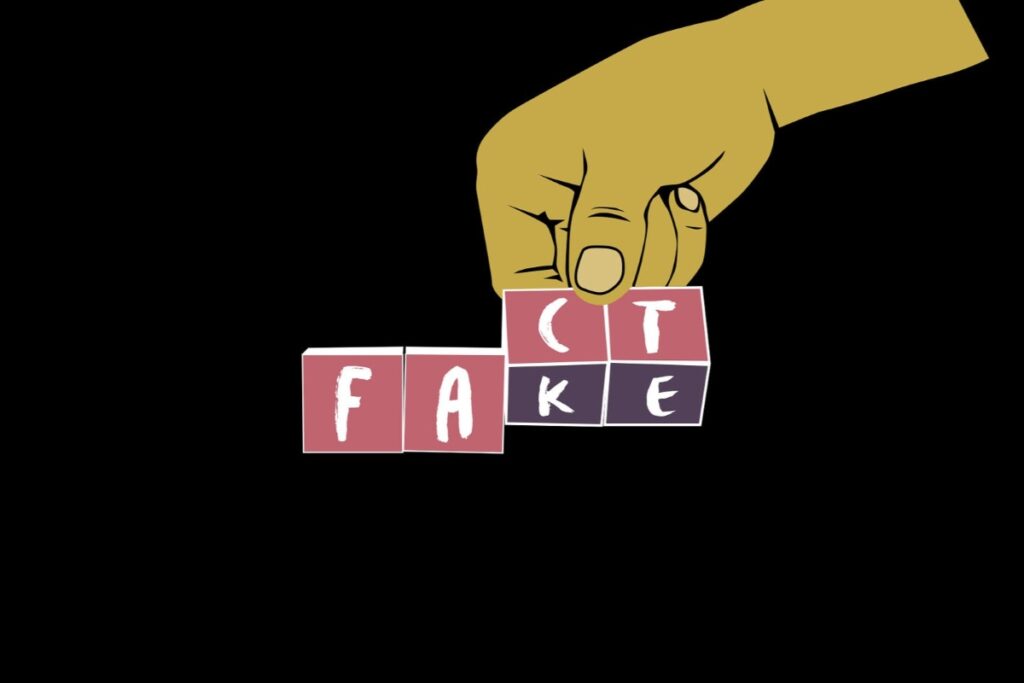
But AI also carries major risks, warns the Rathenau Instituut. Generative AI, such as ChatGPT, puts ‘core scientific values under pressure’, such as integrity, independence and reliability. The Rathenau Instituut also sees a sharp rise in AI-generated fake articles. Clear rules are therefore needed quickly.
Tracking down research
According to a survey by scientific publisher Elsevier at the end of last year, around 58 per cent of scientists now use some form of artificial intelligence. It is used mainly to track down recent research and gather literature.
The Rathenau Instituut is calling on universities and other knowledge institutions to establish clear guidelines. It also raises the fundamental question: ‘What kind of science do we actually want, with or without generative AI?’
Code of conduct
Meanwhile, the Royal Netherlands Academy of Arts and Sciences (KNAW) is working on a new code of conduct for scientific integrity. A draft version was published last autumn. Artificial intelligence is also addressed in it.
‘Only use technologies whose functionality is known and scientifically validated,’ the draft code states. That is difficult with AI programmes such as ChatGPT and Perplexity, where it is often unclear which sources they rely on and how data are processed.
According to the KNAW, the new code of conduct will apply to both universities and universities of applied sciences and is expected to come into force in the autumn.